 TICKETS
 DONATE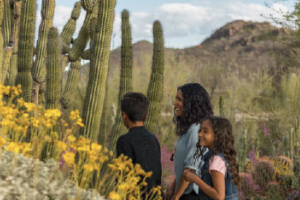

Spadefoot Splash
A New Streamside Play Experience for Our Littlest Learners
Our newest exhibit highlights that water is life! Learn about some of our ongoing conservation projects, with an emphasis on learning through play for guests zero to five years old. You may get a little wet but not soaked. We’ve packed a ton of fun into this exhibit, along with more resources for our visitors, like:
 Streamside play zone
  Nature loop trail with interactive areas
  Conservation station
  Art and Mindfulness Elements
 Three all-gender, single-use restrooms
 Shaded rest area with movable seating
  Threatened and endangered species on exhibit
  Water recycling
- Rainwater catchment systems irrigate surrounding plants
- Water used in the stream is recycled for plant irrigation

Did you know?
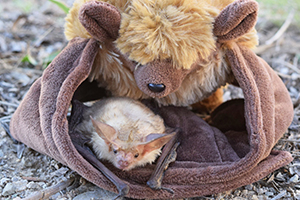
All species housed in this exhibit are endangered or threatened: Spadefoot toad, Gila chub, Mexican gartersnake, and Huachuca water-umbel.
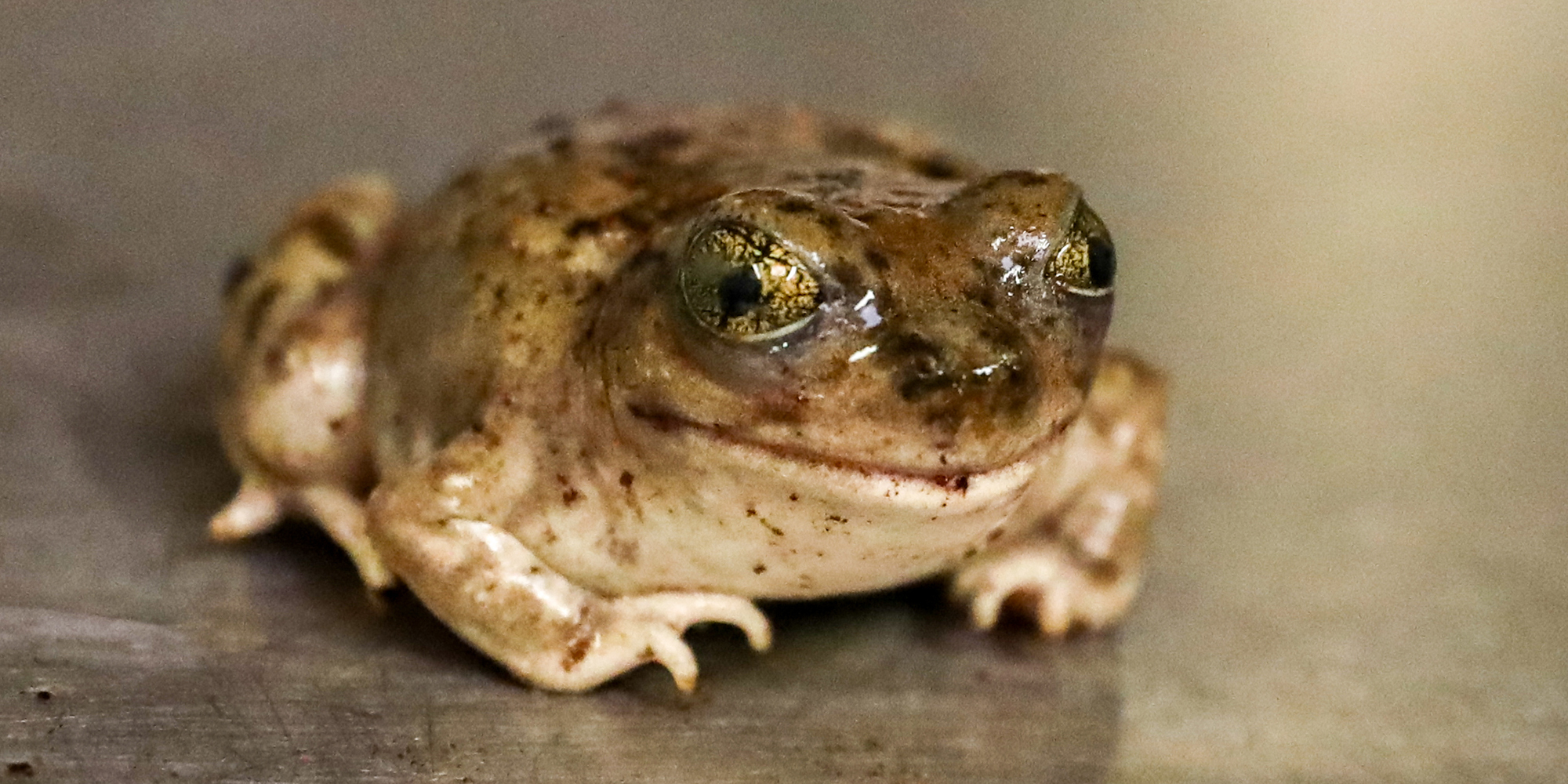
Couch's Spadefoot Toad
|
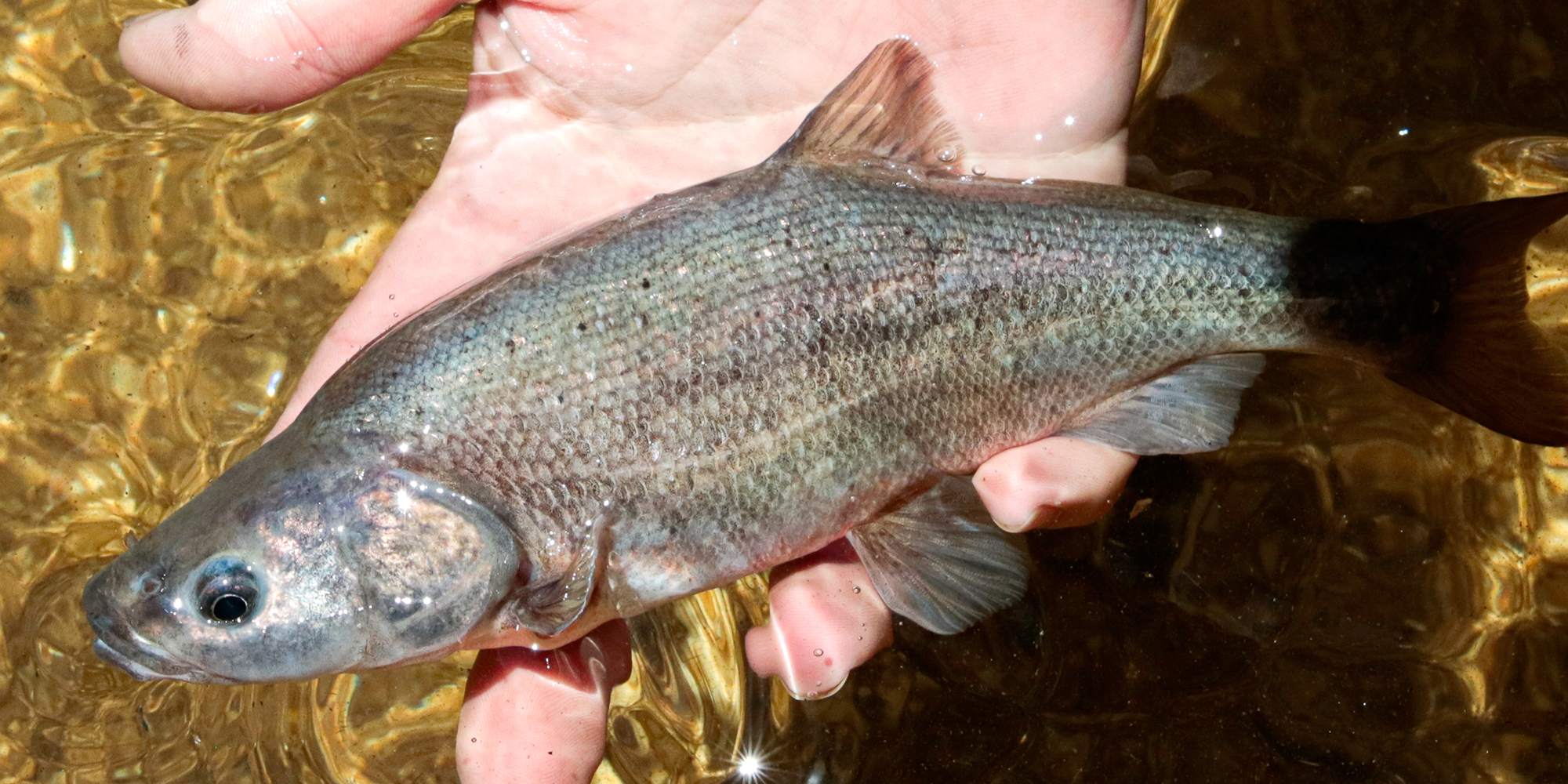
Gila Chub
|
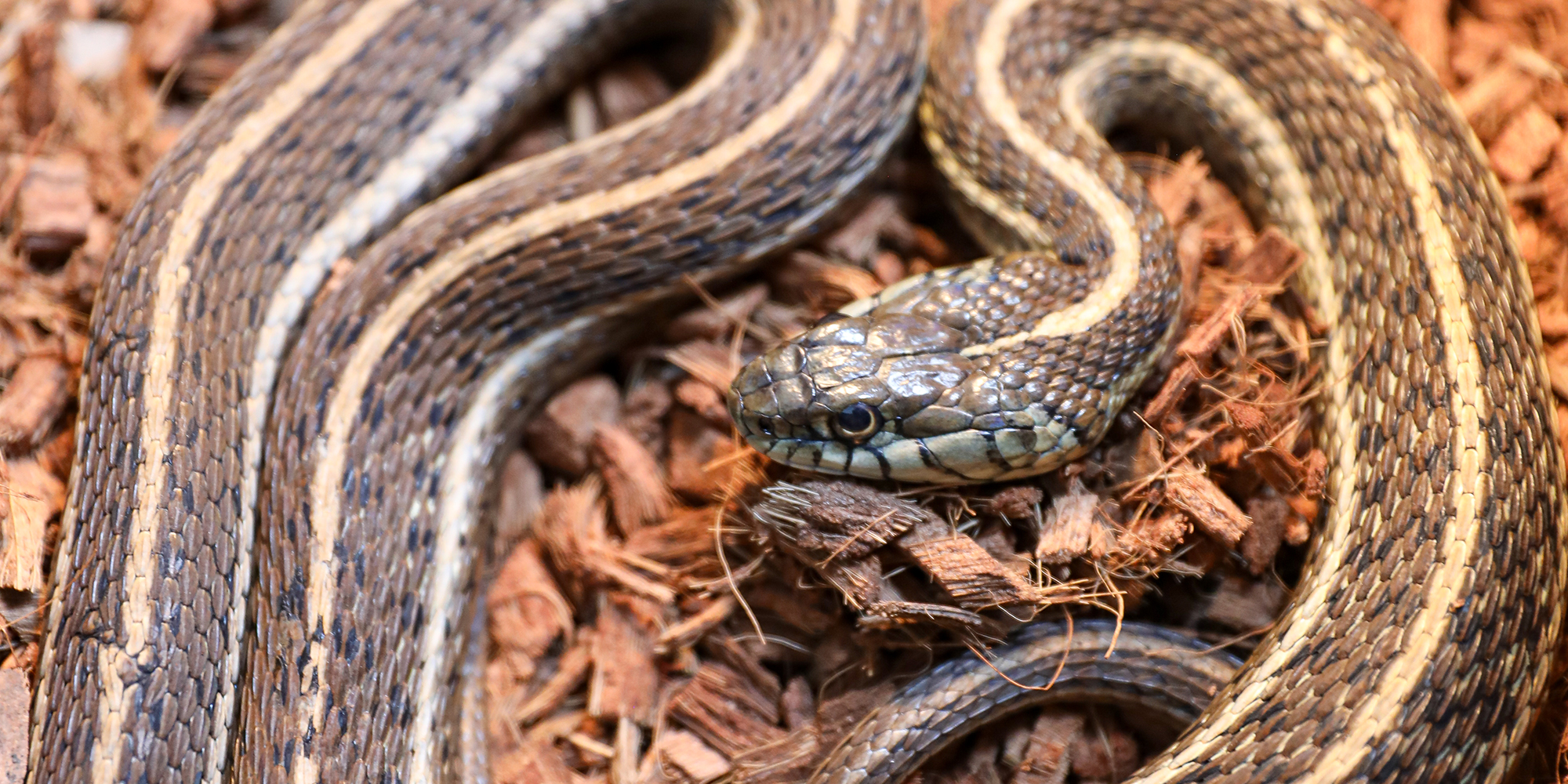
Mexican Gartersnake
|
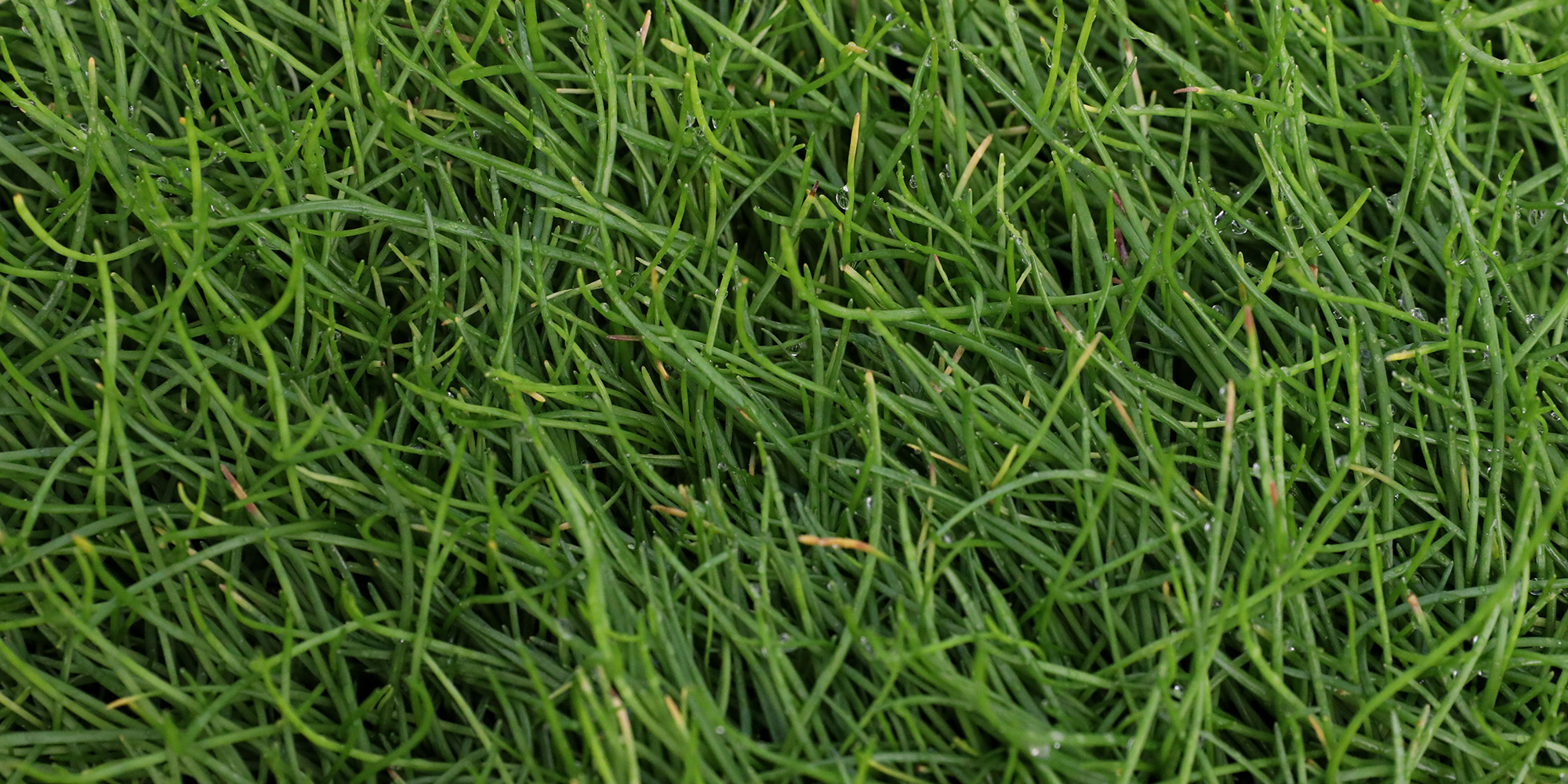
Huachuca Water-Umbel
|
Mural
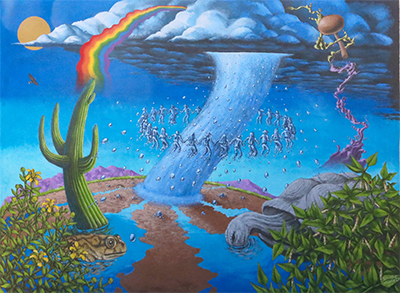
Information about the mural goes here. Information about the mural goes here. Information about the mural goes here. Information about the mural goes here. Information about the mural goes here.
Information about the mural goes here. Information about the mural goes here. Information about the mural goes here. Information about the mural goes here. Information about the mural goes here.
Water Conservation Tips |
||
|---|---|---|

Harvest rainwater in barrels or cisterns. Collect rain runoff or redirect gutters to plants and trees. |

Remove invasive species, such as buffelgrass and Bermuda grass. Invasive plants outperform native plants for nutrients and cause other threats, like being highly flammable. |
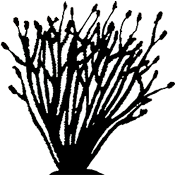
Plant drought-tolerant species. (Choosing a low-water-use plant save up to 550 gallons of water each year.) |
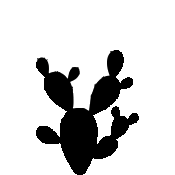
Plant native species. (Can generally survive on rainfall.) |
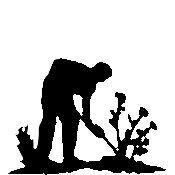
Pruned plants use water more efficiently. Weed regularly to reduce competition for sunlight, nutrients, and water. |
Water in the early-morning or late-evening to reduce evaporation. |